
Verify your source
Check the full website address and the identity of the installation package before making a choice. Ignore unexpected download links.
Read the guide ↗🔐 Digital wallet security, made clearer
Understand local keys, offline backups, and multi-chain asset management with a calmer, clearer wallet experience. Know what you are approving before you sign.
Explore getting started ↗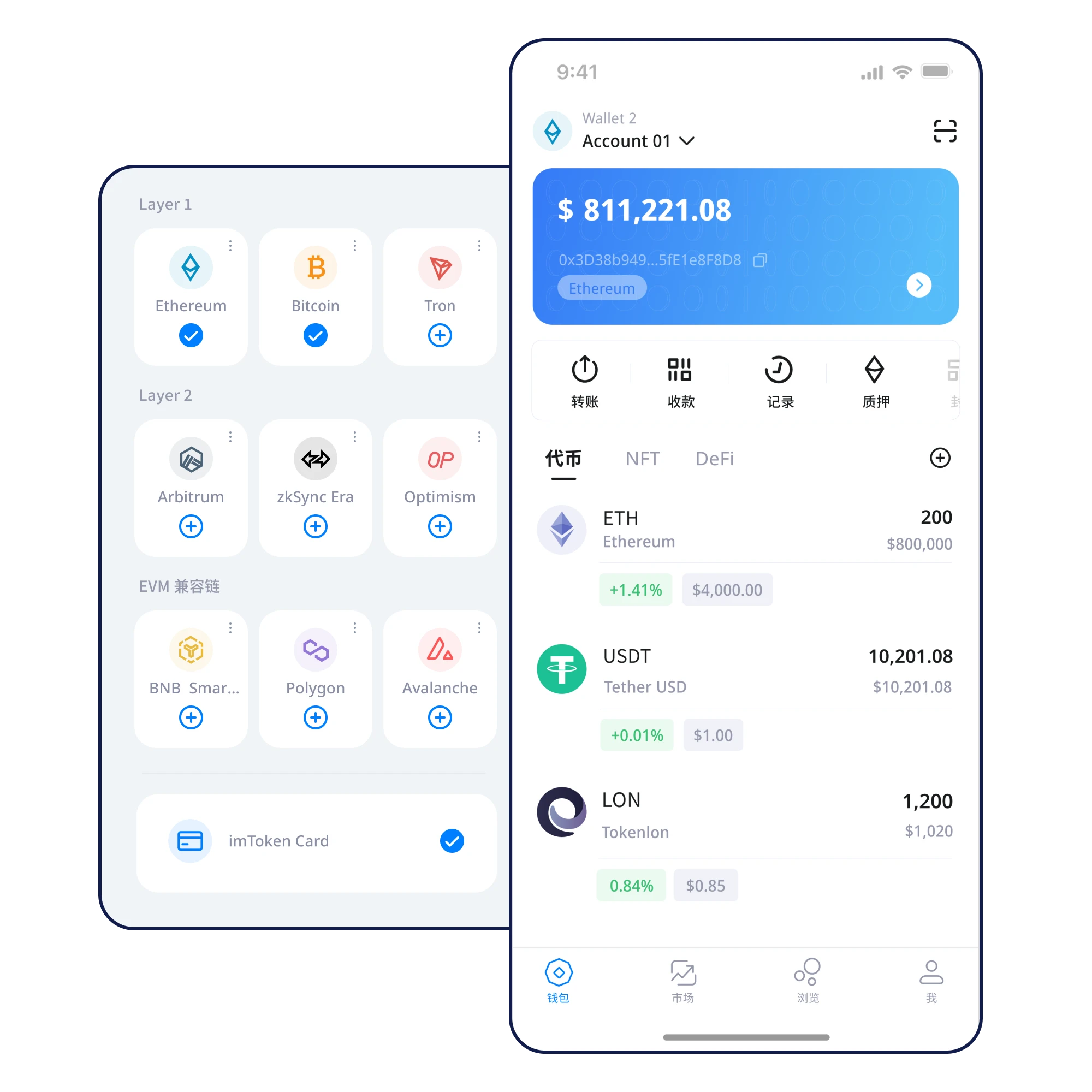
Keep credentials private
Back up before transacting
Check addresses and networks
Never share recovery phrases
PRODUCT INTERFACE
A static preview of balances, tokens, networks, and security cues. Figures shown are illustrative, not live holdings.
Illustrative balance
An overview is only a starting point. Learn to recognize chain names, token contracts, and recipient addresses before you transfer.
Understand multi-chain assets ↗GETTING STARTED · 6 STEPS
Check the full website address and the identity of the installation package before making a choice. Ignore unexpected download links.
Read the guide ↗Choose a strong local passcode and understand the difference between creating a wallet and importing an existing one.
Read the guide ↗Record each word precisely in a private environment. A screenshot or a message to yourself is not an offline backup.
Read the guide ↗Follow the verification flow and store the phrase separately from the phone, protected against damage and access.
Read the guide ↗Match every token to its chain. Take time to distinguish different networks before adding addresses or contracts.
Read the guide ↗Compare address, amount, fee, and destination network; consider a small test when uncertainty remains.
Read the guide ↗01 / CORE PRINCIPLES
Understand what it means to control credentials, protect devices, and keep a separate path to recovery.
Learn more ↗ Illustrative product concept
02 / CORE PRINCIPLES
An accurate offline backup matters more than remembering a passcode. Review the recovery process before you need it.
Learn more ↗ Illustrative product concept
03 / CORE PRINCIPLES
A familiar logo is not enough. Check the target chain, recipient address, fees, and the permissions you grant.
Learn more ↗ Illustrative product concept
SAFETY FRAMEWORK
Keep sensitive credentials under your control.
Review the network, destination, and amount every time.
Plan for lost devices with a verified offline backup.
CHAPTER INDEX
Practical routes from setup and backup to transfers and recovery.
REAL-WORLD SCENARIOS
Follow a careful setup flow: verify the app source, secure your device, create a wallet, and back up recovery credentials.
View guidance ↗Understand asset balances, token networks, and the importance of matching a token to the right chain.
View guidance ↗Use a repeatable checklist for recipient addresses, networks, amounts, fees, and transaction approvals.
View guidance ↗Prepare an offline backup, restore carefully, and review your old device before retiring it.
View guidance ↗Learn to inspect website addresses, app permissions, and signing prompts before trusting wallet requests.
View guidance ↗Understand how to make, verify, and store a recovery phrase backup before moving assets.
View guidance ↗RISK AWARENESS
Fake downloads, unsolicited approvals, phrase requests, and wrong-network transfers are risks worth checking before action.
Recognize common threats ↗FAQ
This site explains self-custody concepts. Confirm the actual key management model inside the software you use, and never share a recovery phrase.
Checking live chain balances and broadcasting transactions usually require a connection. Recovery phrase storage should remain offline.
Keep an accurate offline copy in a private, durable location. Do not screenshot, upload, or send it to support.
A private key signs for a particular account, while a recovery phrase can typically recreate wallet keys. Both require protection.
Security starts with the first step
Verify the source, make a backup, and then begin managing assets.
⬇ Download Now